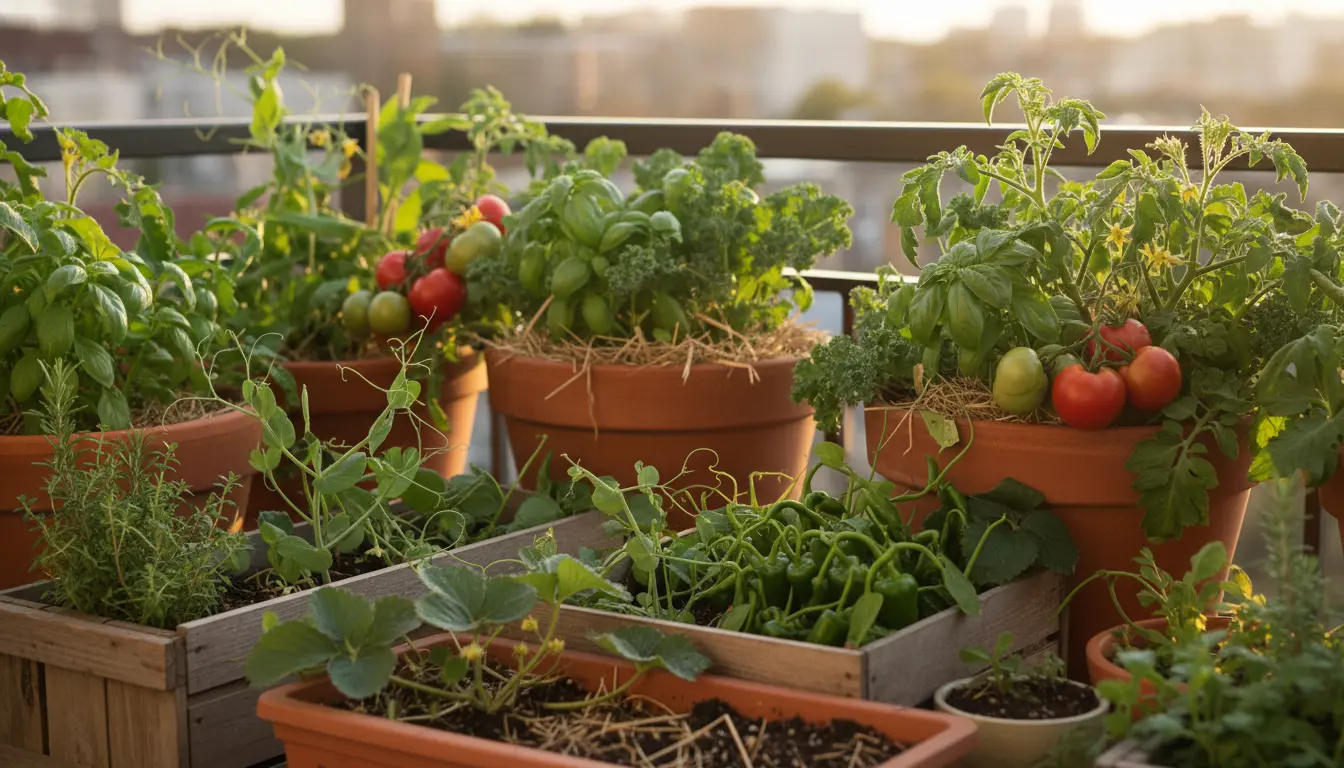
Growing vegetables in a small area is practical and rewarding. This guide explains clear steps to plan, plant, and maintain a productive small space vegetable garden without jargon.
Planning your small space vegetable garden
Start by assessing light, space, and water access. Most vegetables need at least 4–6 hours of direct sunlight; observe your site at different times to confirm how sun moves across the area.
Decide between containers, raised beds, or vertical systems based on your space. Measure available width, depth, and height so you can choose appropriate containers and trellises.
Choosing vegetables for small spaces
Pick crops that perform well in containers or in tight rows. Prioritize fast-growing and compact varieties that give more yield per square foot.
- Leafy greens: lettuce, spinach, arugula, and chard.
- Herbs: basil, parsley, cilantro, and chives.
- Compact fruiting crops: cherry tomatoes (determinate or patio varieties), dwarf peppers, and patio cucumbers.
- Root crops: radishes, baby carrots, and beets in deep containers.
- Legumes: bush beans or container peas for vertical options.
Containers, soil, and drainage for small space vegetable gardening
Choose containers with good drainage and enough volume for root growth. For most vegetables a 10–15 liter (2.5–4 gallon) container is a minimum; larger crops need bigger pots or grow bags.
Use a loose, well-draining potting mix formulated for containers. Add compost for nutrients and mix in a slow-release fertilizer if the soil lacks organic matter.
Planting and care tips for small space vegetable gardening
Plant at the right spacing to avoid overcrowding, which can reduce yields and increase disease risk. Follow seed packet spacing but consider tighter layouts like square-foot planting for efficiency.
Label containers and keep a simple planting calendar. Many small-space gardeners use succession planting to keep harvests steady over the season.
Watering and feeding

Containers dry out faster than ground beds, so check soil moisture daily in hot weather. Water deeply until excess drains from the bottom to encourage stronger root systems.
Feed regularly: liquid fertilizer every 2–3 weeks for fruiting crops and a balanced organic feed for leafy greens. Mulch the top of containers with straw or shredded bark to conserve moisture.
Space-saving techniques and vertical gardening
Use vertical space with trellises, obelisks, or hanging baskets. Train vining crops like cucumbers, indeterminate tomatoes, and peas upward to free floor area for more plants.
- Stacked planters: tiered pots to increase capacity while preserving ground footprint.
- Square-foot gardening: divide beds into 1-foot squares to optimize spacing and crop mixing.
- Companion planting: place compatible crops together to reduce pests and improve yields.
Pest control and common problems in small space vegetable gardening
Small gardens can still face pests and disease. Inspect plants weekly for signs of insects, mildew, or nutrient deficiencies. Early detection keeps problems manageable.
Use physical barriers like row covers for butterflies and slugs, handpick large pests, and choose disease-resistant varieties where possible. Rotate crops between containers each season to limit soil-borne issues.
Simple organic options
- Neem oil or insecticidal soap for soft-bodied insects.
- Beneficial insects, such as ladybugs, for aphid control.
- Compost tea or seaweed extract to boost plant vigor.
Did You Know?
One square meter of well-managed container garden can produce enough salad greens for two people per week during the growing season.
Real-world example: Balcony to Salad Bowl
Case study: Emma lives in a third-floor apartment with a 6-foot by 3-foot balcony. She arranged three 12-inch deep rectangular containers and two hanging planters, focusing on lettuce, radishes, basil, and cherry tomatoes.
By rotating crops and using a small trellis for tomatoes, she harvested fresh salad greens twice a week and small tomato harvests through summer. Her setup used drip watering twice daily for 10 minutes, plus weekly liquid feedings.
Result: consistent weekly salads and reduced grocery trips for greens—proving even tiny outdoor spaces can be productive with planning.
Checklist to get started with small space vegetable gardening
- Measure available light and choose a sunny spot if possible.
- Select container types and appropriate potting mix.
- Pick compact or container varieties suited to your space.
- Plan a watering schedule and feeding routine.
- Implement vertical supports to increase capacity.
Getting started
Begin with a small, manageable setup and learn what works in your microclimate. Keep records of plant varieties, sowing dates, and harvests so you can improve next season.
With simple planning and consistent care, small space vegetable gardening can supply fresh, healthy produce and make efficient use of limited outdoor areas.