Overview of Trump’s New 2026 Student Visa Rules
The 2026 rule package announced by the administration targets F-1, J-1, and M-1 visa categories with tighter vetting and clearer compliance requirements. The main goals are to strengthen student program integrity, reduce overstays, and tighten work authorization rules.
This article explains the major changes, highlights what students must do to remain compliant, and offers practical steps to prepare for applications, renewals, and travel.
Key Changes Affecting F-1 Students

F-1 students face several notable shifts in documentation, reporting, and work authorization. Expect a stronger focus on financial proof, in-person interviews, and SEVIS reporting updates.
- Stricter financial documentation: more detailed bank statements and sponsor affidavits may be required at consulate interviews and at entry.
- Expanded interview requirements: more applicants may be scheduled for in-person visa interviews, including renewals in some countries.
- Work rules tightened: Optional Practical Training (OPT) and Curricular Practical Training (CPT) oversight is increased. Institutions will need to report employer and job details more frequently.
Practical steps for F-1 students
- Keep clear, dated financial records and letters from sponsors.
- Maintain full-time status and save documentation of enrollment and class schedules.
- If you plan to use OPT/CPT, get detailed offer letters and consult your international student office early.
What the 2026 Rules Mean for J-1 Exchange Visitors
J-1 exchange visitors and program sponsors can expect more rigorous sponsor obligations and DS-2019 verification. The aim is to ensure programs meet stated educational and cultural exchange purposes.
- Sponsor accountability: Sponsors must document program elements and track participant activities more closely.
- Shorter or stricter program approval: Some short-term training programs may face tighter eligibility checks.
- Dependents: Rules for J-2 work authorization might be subject to additional scrutiny and processing steps.
Actions for J-1 participants and sponsors
- Work with your sponsor to confirm DS-2019 accuracy before travel.
- Keep clear records of program activities and contact information for sponsors.
- If you have a J-2 dependent seeking work authorization, expect longer processing times—plan accordingly.
Major Changes for M-1 Vocational Students
M-1 vocational students will see stricter rules around program length, practical training, and change-of-status requests. M-1 programs are under closer review because they are non-academic and typically shorter.
- Limits on program extensions: Extension approvals will be more selective and require documented reasons.
- Practical training oversight: Any post-completion practical training will require clearer employer documentation and sponsor review.
- Change of status: Moving from M-1 to F-1 or other statuses will have tightened evidentiary standards.
Compliance Checklist for All Students

Whether you are on an F-1, J-1, or M-1 visa, these compliance steps reduce risk and speed processing during visa interviews or reentry.
- Maintain and carry original financial and enrollment documents.
- Update SEVIS records promptly when you change address, program, or employer.
- Keep employer offer letters, job descriptions, and pay records for any authorized work.
- Consult your school’s international office before changing programs or applying for work authorization.
Consulate interview rates and requests for additional documents can vary by country and program. Preparing a folder with sponsorship proof, school letters, and SEVIS information cuts delays.
Travel, Visa Renewal, and Reentry Tips
Visa stamps and entry decisions are distinct: a visa allows travel to a U.S. port of entry while admission is decided by Customs and Border Protection. The 2026 rules emphasize full documentation at both stages.
- Carry original SEVIS I-20 or DS-2019 and financial evidence when traveling.
- Expect longer processing at some consulates; book renewals early.
- If you have gaps in enrollment or employment, document reasons (medical, program delays) and get school letters.
Case Study: How the Rules Affect an F-1 Student
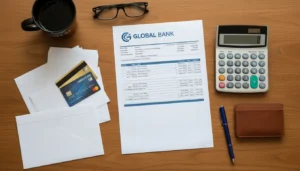
Case: Maria is a third-year F-1 computer science student on a campus in the Midwest. She planned to use OPT after graduation and had a job offer contingent on OPT approval.
Under the 2026 changes Maria took three steps: she asked her international office to confirm her SEVIS record, collected six months of bank statements from her sponsor, and secured a detailed offer letter that described job duties and salary. As a result, she faced fewer document requests at her visa interview and her OPT employer was able to provide the additional details USCIS requested.
When to Get Legal or School Help
If you have complex issues—previous immigration violations, a pending change-of-status, or uncertain funding—consult an immigration attorney. School international offices can help with routine compliance and document preparation.
Legal guidance is especially important if you are denied a visa or face a request for evidence. Acting quickly improves your options.
Final Practical Tips
Start preparing early: collect financial evidence, maintain full-time enrollment, and keep clear records of work and program activity. Use your school’s international office as your first resource, and consult an attorney for complex cases.
Check official sources for updates: DHS, USCIS, and the Department of State publish final rules and guidance. Rules can be updated, so verify the current text before making decisions.
These 2026 changes shift the focus from broad access to more documented, monitored participation. Preparing now reduces risk and delays, and helps you stay compliant throughout your program.