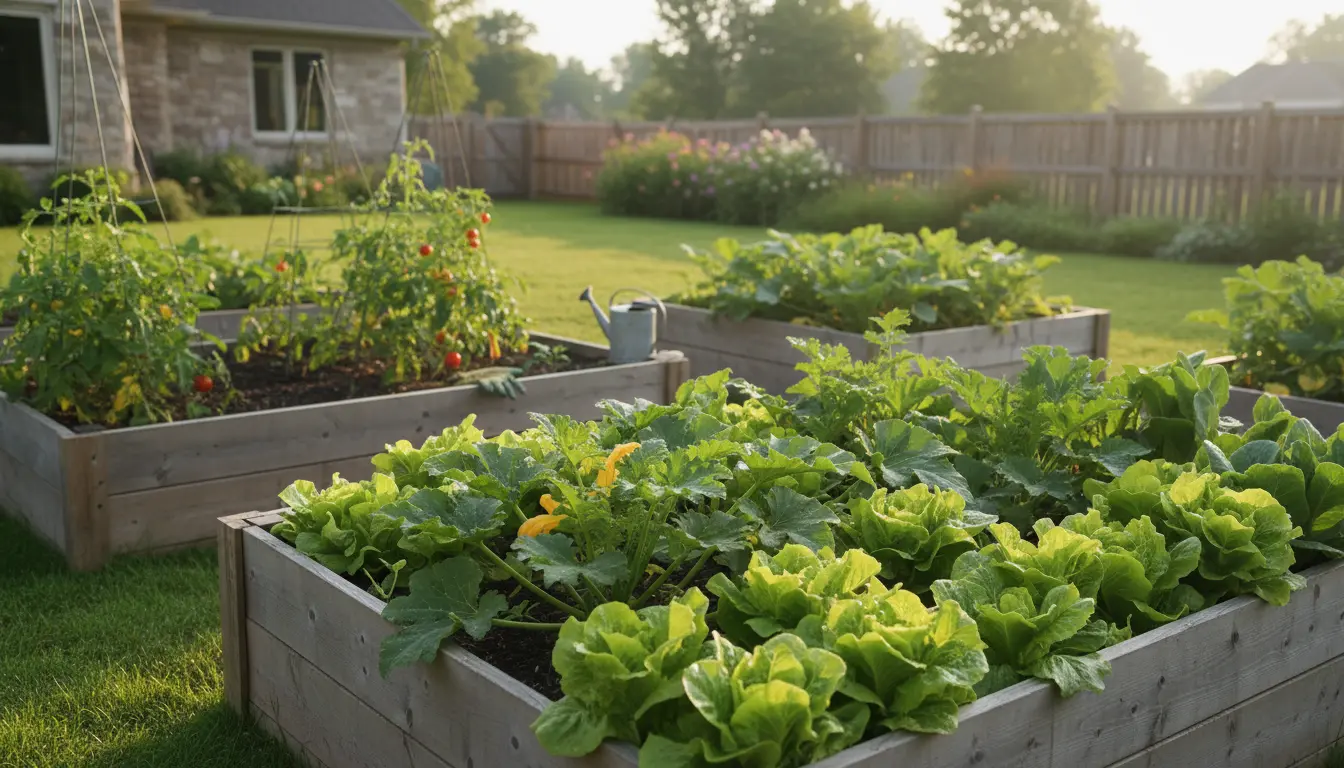
Why Start a Vegetable Garden
Growing your own vegetables saves money and gives you fresher food. A small, well-planned garden can supply salads and cooking vegetables through the season.
This guide focuses on practical steps to help you start a vegetable garden with minimal fuss and steady results.
How to Start a Vegetable Garden: Planning

Planning makes the difference between a patchy bed and a productive garden. Spend time choosing the right location, size, and initial crops.
Choose the Right Site for Your Vegetable Garden
Pick a spot that receives at least 6 hours of direct sunlight. Most vegetables need full sun to produce well.
Consider proximity to water and convenience for harvesting and maintenance. Avoid low spots that collect cold air and water.
Decide Garden Type and Size

Choose between in-ground rows, raised beds, or containers. Raised beds warm up faster and are easier to control for soil quality.
Start small: a 4×8 foot raised bed is manageable for beginners and productive enough for a family of two to four.
Soil Preparation for a Successful Vegetable Garden
Healthy soil is the foundation of a productive vegetable garden. Test and improve soil before planting.
Test and Amend Soil

Do a basic soil test for pH and nutrient levels or use a DIY kit. Most vegetables prefer a pH between 6.0 and 7.0.
Add organic matter like compost or well-rotted manure to improve structure and fertility. Mix 2–4 inches of compost into the top 6–8 inches of soil.
Soil Drainage and Texture
Loamy soil with good drainage is ideal. If your soil is heavy clay, add coarse sand and organic matter to improve drainage and tilth.
Choose Vegetables to Plant
Select crops that match your climate, season length, and cooking preferences. Start with easy-to-grow vegetables for quick wins.
- Fast growers: lettuce, radishes, spinach
- Reliable staples: tomatoes, peppers, beans
- Low maintenance: Swiss chard, kale, herbs
Plan Crop Rotation and Succession Planting
Rotate families of vegetables each year to reduce disease and pest buildup. Use succession planting to keep beds producing through the season.
Example succession: direct-sow radishes, then follow with warm-season beans once radishes finish.
Planting and Early Care
Timing is important. Follow local frost dates and seed packet instructions for the best planting windows.
Seed vs. Transplants
Start with transplants for tomatoes and peppers to get a head start. Direct sow carrots, lettuce, and beans where they will grow.
Water transplants well and harden them off outdoors for a week before planting to reduce shock.
Watering and Mulching
Water deeply and less often to encourage strong roots. Aim for 1–1.5 inches of water per week, more in extreme heat.
Apply mulch to conserve moisture, suppress weeds, and moderate soil temperature. Use straw, wood chips, or shredded leaves.
Maintenance: Pests, Weeds, and Fertility
Regular light maintenance prevents small problems from becoming big ones. Inspect beds weekly.
Manage Pests and Diseases
Use physical controls first: row covers, hand-picking, and barriers protect young plants. Encourage beneficial insects by planting flowers nearby.
If needed, select targeted, low-toxicity treatments and follow label directions carefully.
Weeding and Feeding
Remove weeds while small to reduce competition for nutrients. Add a balanced organic fertilizer midseason or side-dress with compost.
Soil microbes can release nutrients to plants faster when soil organic matter reaches just 5 percent. Adding compost each year builds that soil life and long-term fertility.
Harvesting and Seasonal Care
Harvest frequently to encourage more production. Pick vegetables at peak ripeness for best flavor and nutrition.
At season end, clear spent plants, compost healthy remains, and plan cover crops to protect and rebuild soil.
Small Real-World Case Study
Case: A beginner gardener in Portland converted a 4×8 raised bed in early spring. They improved the bed with 3 inches of compost and planted lettuce, radishes, and tomato transplants.
By mid-summer they harvested continuous salads and three medium tomato harvests. Small daily maintenance—weekly weeding and deep watering twice a week—kept pests low and production steady.
Key outcomes: modest upfront effort, continuous harvests, and learning how to stagger plantings for season-long yields.
Quick Checklist to Start a Vegetable Garden
- Choose a sunny site with good drainage
- Start with a manageable bed size (4×8 feet recommended)
- Test soil and add compost to improve fertility
- Select easy crops for your season and tastes
- Plant with proper spacing and water deeply
- Use mulch and monitor for pests weekly
- Harvest regularly and plan for next season
Final Tips for Success
Start simple and expand as you gain experience. Track what you plant and when you harvest; small records help you refine timing and crop choices.
Join a local gardening group or extension service for region-specific advice. Consistent small efforts produce reliable results.