What Is Home Composting?
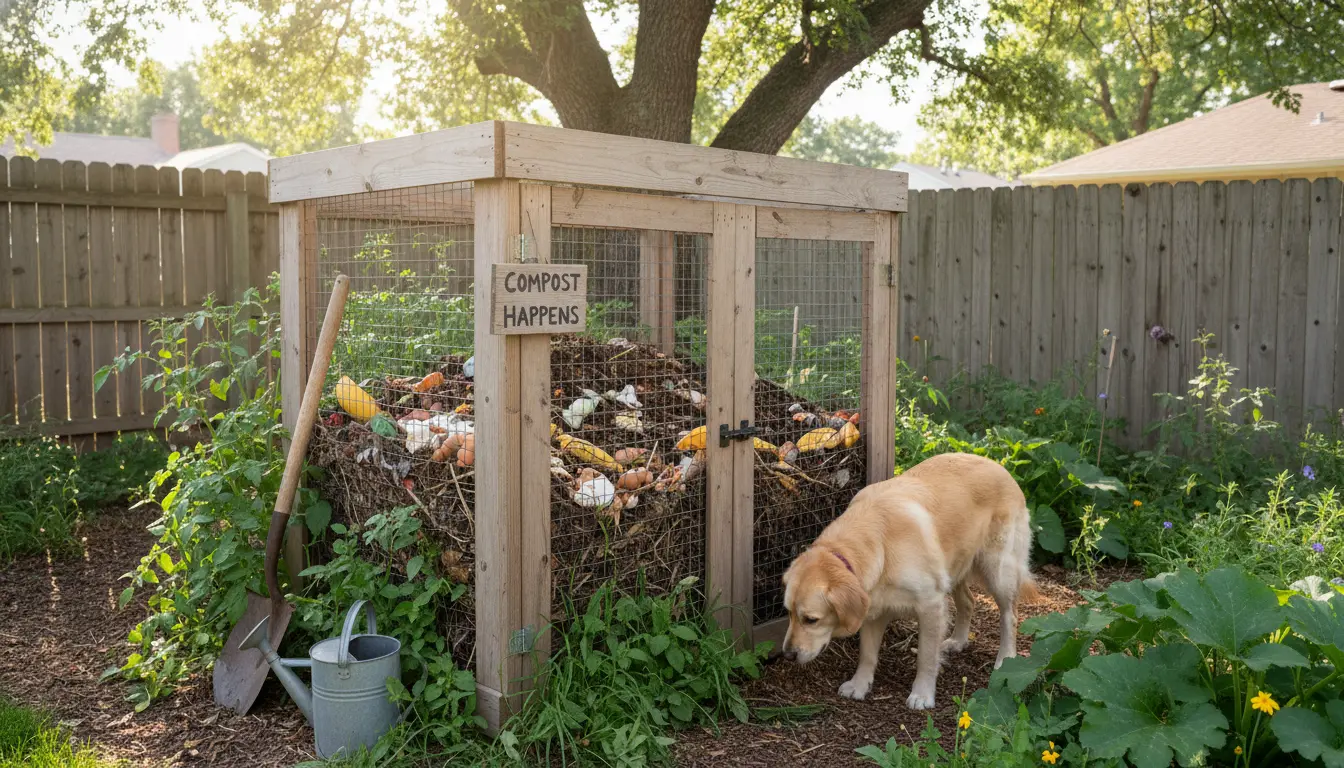
Home composting is the controlled breakdown of organic kitchen and garden waste into nutrient-rich soil. It works by combining carbon-rich and nitrogen-rich materials with air and moisture to support decomposition.
Why Start Home Composting?
Composting reduces household waste and returns valuable nutrients to soil. It also lowers landfill use and can improve garden health without synthetic fertilizers.
- Reduces trash volume and methane emissions.
- Produces free, nutrient-rich compost for plants.
- Improves soil structure and water retention.
Composting just 1 pound of food scraps prevents roughly 0.5 pounds of CO2-equivalent emissions compared with sending it to a landfill.
How to Start Home Composting
Starting is straightforward and requires only a few tools and basic knowledge. Follow these steps to set up a successful home composting system.
1. Choose a Compost Bin
Select a container that fits your space and needs. Options include tumblers, stationary bins, worm (vermicompost) bins, or a simple heap in a corner of the yard.
- Tumblers: Easy to turn, good for small yards.
- Stationary bins: Inexpensive and low maintenance.
- Vermicompost bins: Ideal for indoor or small-space composting with worms.
2. Pick a Location

Place the bin on soil or gravel with some shade and good drainage. Avoid direct sun that dries out the pile quickly, and keep it within convenient reach of your kitchen.
3. Know What to Compost
Balance ‘greens’ and ‘browns’ for effective decomposition. Greens are nitrogen-rich and browns provide carbon.
- Greens: Fruit and vegetable scraps, coffee grounds, fresh grass clippings.
- Browns: Dry leaves, shredded paper, straw, cardboard.
- Avoid: Meat, dairy, oils, diseased plants, and pet waste.
4. Start Layering and Turning
Begin with a coarse brown base for airflow, then alternate green and brown layers. Turn the pile every 1–2 weeks to add oxygen and speed decomposition.

Maintain a rough ratio of 2–3 parts browns to 1 part greens for best results.
Maintaining Your Home Composting System
Regular, simple maintenance keeps compost active and odor-free. Monitor moisture, temperature, and balance of inputs.
- Moisture: The pile should feel like a wrung-out sponge. Add water if dry or more browns if too wet.
- Air: Turn the pile regularly to introduce oxygen. Use a garden fork or tumbler handle.
- Temperature: A hot pile (120–160°F or 50–70°C) decomposes faster, but cold composting works with less effort.
Troubleshooting Common Problems in Home Composting
Many issues are easy to fix once you identify their cause. Check the balance of materials and the pile’s moisture and airflow.
Bad Odor
If your compost smells sour or like ammonia, it is too wet or has too many greens. Add dry browns and turn the pile to introduce air.
Pests
Pests like rats or flies are attracted by meat, dairy, or exposed food scraps. Remove tempting items, bury new scraps beneath browns, or secure the bin with a lid.
Slow Decomposition
If breakdown is too slow, check for insufficient nitrogen, low moisture, or lack of aeration. Add fresh greens, water lightly, and turn more often.
Small Real-World Example
Case Study: A two-person household in Seattle set up a 60-liter tumbler. They added kitchen scraps and shredded leaves on odd weeks. After six months they produced roughly 40 liters of finished compost.
Their garden beds saw improved soil structure and healthier tomato plants the second season. Time investment averaged 10 minutes twice a week for turning and monitoring.
Tips for Faster Success
- Chop or shred larger items to increase surface area and speed decomposition.
- Keep a small counter caddy to collect kitchen scraps for quick transfer to the bin.
- Use finished compost as a top dressing or mix into potting soil for best plant results.
Getting Started Today
Gather a bin, a few basic tools, and a simple plan for greens and browns. Start small and learn by doing; composting becomes easier with routine.
With low effort, home composting turns waste into a useful resource and supports healthier soil and plants.